The New Jersey Legislature has recently introduced a bill that would officially recognize one of the most controversial parts of the state, Central Jersey. The bill would make Central Jersey an official part of the state’s tourism map, while also allocating funds to promote the region through advertisements and marketing campaigns. Lawmakers are hopeful that the bill would bring more meaning to the name Garden State by promoting “agritourism” in the region, including “visits to farms, craft beverage makers, farm-to-table restaurants, farmers’ markets, and agriculturally themed festivals.”
Andrew Zwicker, a State Senator and sponsor of the measure, believes that New Jersey tourism focuses too much on the waterfront, and should put more emphasis on the “quaint river towns and canal villages, scenic byways, harvest festivals, craft beverage makers, and Revolutionary War sites.” He hopes that an increase in tourism to the area will boost the state’s tourism economy, one that has suffered due to the pandemic.
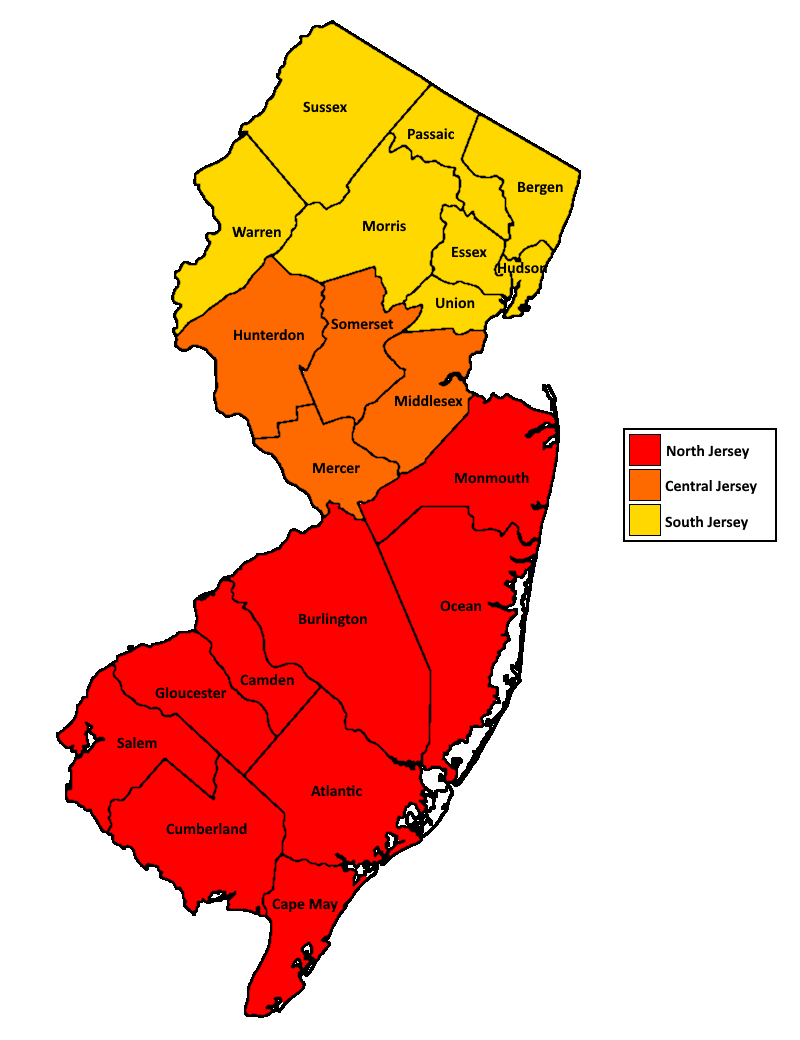
One of the biggest issues facing lawmakers trying to pass this bill is deciding which cities and counties are part of Central Jersey. In its current form, the bill denotes Central Jersey as Hunterdon, Somerset, Mercer, and Middlesex counties, leaving room for other regions to be added in the future. These regions would receive increased promotion and economic support from the state which would bolster the tourism industry in their counties.
This however has many cities feeling left out, with certain towns in neighboring Monmouth and Ocean counties hoping to use the bill to improve tourism in their areas as well. Even Governor Murphy, one of the roadblocks in front of the bill, believes that Monmouth, Ocean, and Union counties might all be a part of Central Jersey.
While the bill does focus on Central Jersey, the main goal legislators are looking to accomplish is to overhaul the New Jersey tourism department, a long-neglected division that has not had major changes in decades. In addition to formally recognizing Central Jersey, the bill also changes the way tourism grants are handed out and focuses the tourism strategy of the state on overnight stays from regional visitors.
The bill has been assigned to committees in both houses of the New Jersey government. For the bill to pass, it would need to be approved by both committees, then by both houses of the state government, and then signed by the Governor. The bill has generated a fair amount of positive attention from legislators and constituents alike, but still has a long way to go before it becomes law. Even if the bill does become law, it seems that the border war over Central Jersey is far from over.

Be First to Comment